

Sprouting is enjoying growing popularity – and for good reason: it's not only incredibly easy but also a sustainable way to grow fresh, nutrient-rich ingredients right in your own kitchen all year round. This comprehensive guide shows how to successfully grow sprouts, what beginners should pay particular attention to, and how sprouts can be optimally used in the kitchen.
Why should you grow sprouts?
Growing sprouts combines health, sustainability, and enjoyment. No wonder this trend has long been more than just a hobby. Here are the main advantages:
- Fresh on demand: You have access to fresh sprouts at any time, without being dependent on supermarkets.
- Maximum nutrients: Sprouts are true nutrient bombs and contain vitamins, minerals, and antioxidants.
- Environmentally friendly: Growing sprouts saves packaging material and avoids food waste.
- Cost savings: Store-bought sprouts are often expensive. Home-grown sprouts cost only a fraction.
With these instructions, you're guaranteed to get started – from seed selection to germination to use in the kitchen.
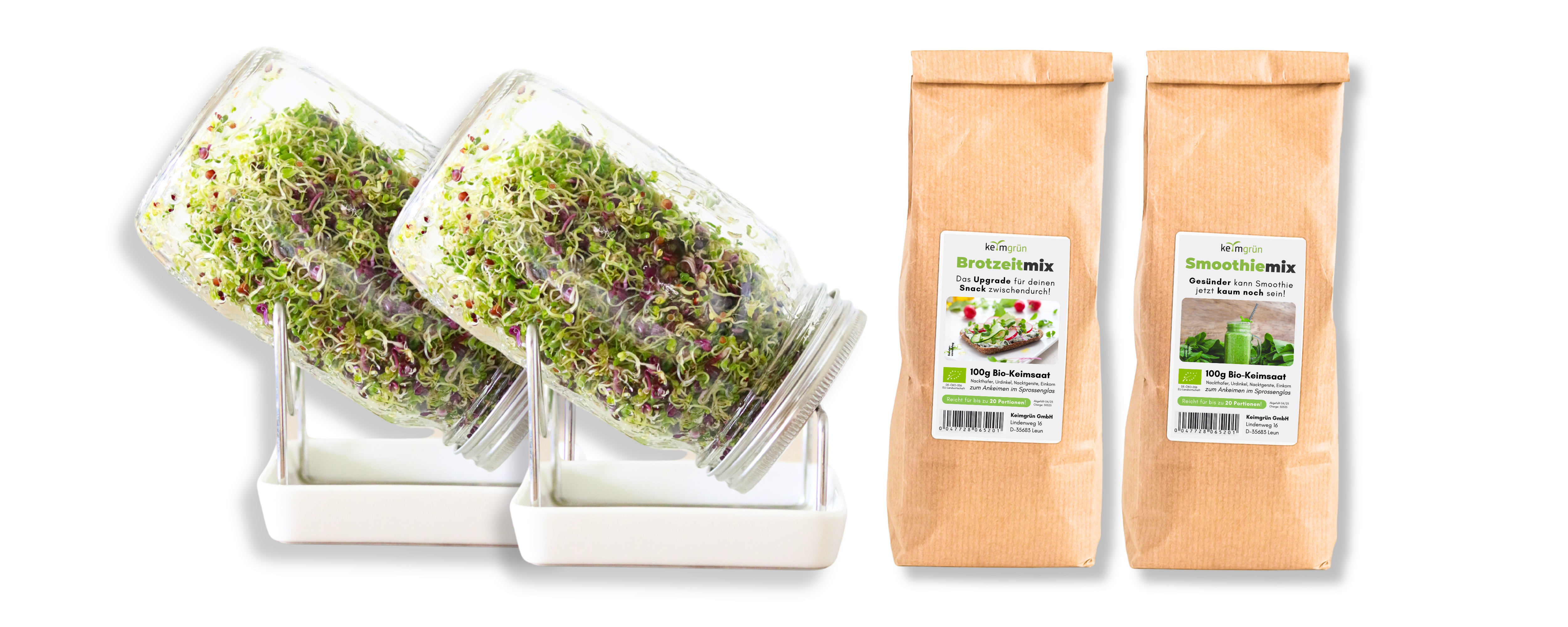
The best seeds for beginners
Success in sprouting begins with choosing the right seeds. For beginners, these varieties are particularly suitable:
- Alfalfa: Particularly easy to care for and full of vital nutrients.
- Radish: Spicy taste and high nutrient content.
- Lentils: Easy to sprout, filling, and versatile.
- Mung beans: Fast-growing and particularly crunchy.
Tip: When buying, make sure the seeds are specifically labeled for sprouting. These are untreated and free from harmful substances. High-quality seeds can be found in organic stores, garden centers, or from specialized online retailers like Keimgrün.
What you need for sprouting
To successfully grow sprouts, you only need minimal equipment:
1. Sprouter or container
- Sprouters, such as sprouting jars or sprouting trays, make sprouting much easier.
- Alternatively, you can also use flat dishes or simple jars – it's important that they are clean and ventilated.
2. Sprouting medium
- For many varieties, water is sufficient. However, some seeds, such as cress, sprout better on special sprouting media like cotton wool, kitchen paper, or coconut fiber mats.
3. Light source
- Sprouts need light, but not direct sunlight. A bright window sill or a grow lamp is ideal.
4. Water
- Fresh, clean water is essential. Filtered or lukewarm tap water is best.
Step-by-step guide: Sprouting made easy
1. Prepare seeds
Rinse the seeds thoroughly to remove dust or any impurities. Then soak them in water for the recommended time (usually 4-12 hours). This step helps activate the germination process.
2. Place seeds
- Distribute the soaked seeds evenly on your sprouting medium or in your sprouter. Press them down lightly so they are well in contact.
- If you are using a sprouting jar, stretch a sieve or a breathable cloth over the opening.
3. Care for the sprouts
- Watering: Keep the seeds moist, but avoid waterlogging. Rinse them gently with fresh water 2-3 times a day.
- Temperature: Ideal temperatures are 18-22 °C. Do not place the sprouter directly in the sun, as the sprouts could dry out.
- Air circulation: Regularly open the lid of closed containers to prevent mold growth.
4. Monitor growth time
Depending on the variety, sprouts take between 3 and 7 days to be ready for harvest. Observe them during growth: if they are juicy green and about 5-7 cm tall, they are ready to harvest.
Avoiding mistakes: Tips for success
- Don't drown them: Too much water promotes mold. Use a sprouter with good drainage.
- Mold formation: Ensure clean tools and avoid standing moisture.
- Temperature fluctuations: Keep the ambient temperature as constant as possible.
- Avoid direct sun: Too much sun dries out the sprouts.
Harvest and storage
When the sprouts are ready for harvest, cut them just above the sprouting medium with clean scissors or a knife. Rinse them thoroughly to remove any residue.
Storage:
Store the sprouts in a sealed container in the refrigerator. They will stay fresh for up to 3 days. However, it is ideal to consume the sprouts immediately after harvesting.
Ideas for using sprouts
Fresh sprouts are incredibly versatile and enhance almost any dish. Here are some inspirations:
- Salads: For extra crunch and a fresh taste.
- Breads & Sandwiches: Perfect addition to savory toppings.
- Smoothies: For an extra nutrient boost in the morning.
- Soups & Stews: As a topping just before serving.
- Bowls: Sprouts add an extra portion of freshness to any bowl.
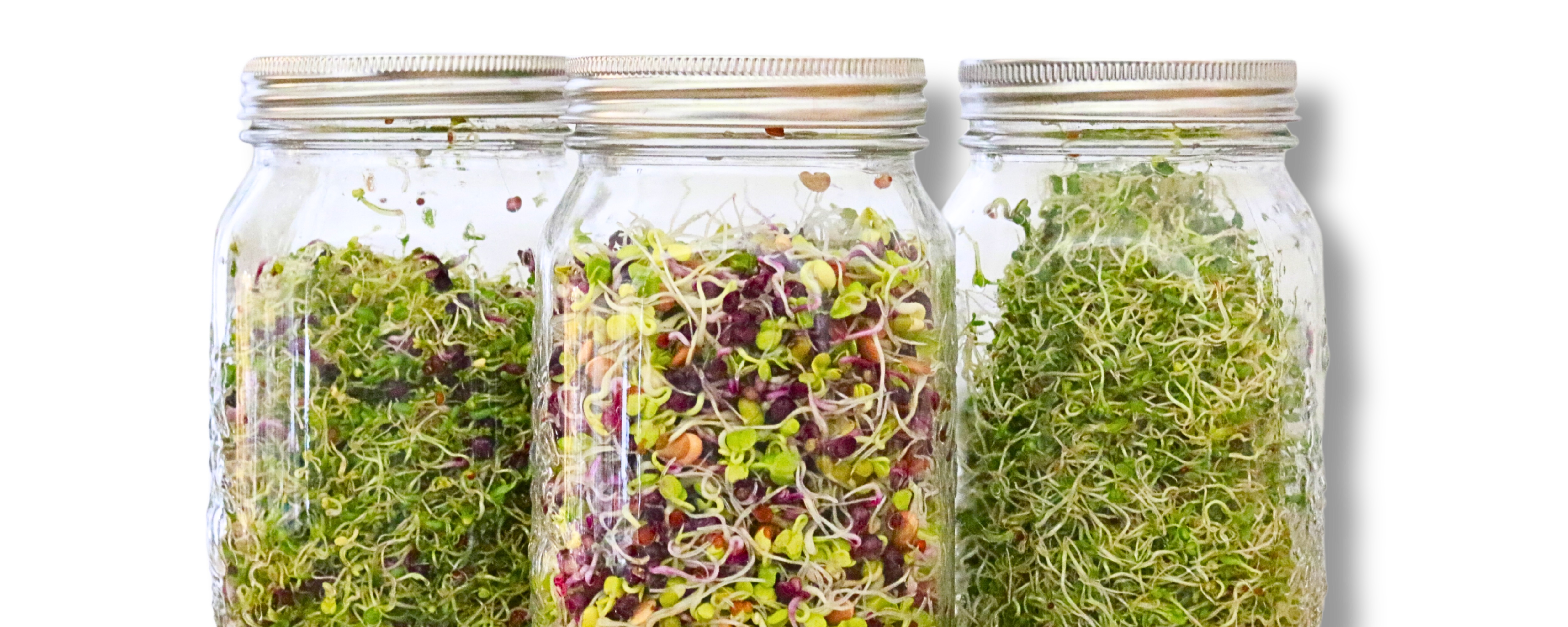
Health benefits of sprouts
Sprouts are true superfoods and contain a wealth of valuable ingredients:
- Vitamins & Minerals: Particularly rich in vitamin C, vitamin K, folic acid, and iron.
- Enzymes & Antioxidants: Support metabolism and have anti-inflammatory effects.
- Fiber: Promotes healthy digestion and provides a long-lasting feeling of fullness.
- Low in calories: Ideal for anyone focused on healthy and calorie-conscious eating.
Conclusion: Sprouting for everyone
Growing sprouts is easy, healthy, and cost-effective – and also a sustainable contribution to the environment. With the right seeds and a little care, you can harvest and enjoy fresh, vitamin-rich sprouts within a few days. So, what are you waiting for? Start your sprouting adventure today and discover the versatility of these little green all-rounders!

Ready for your first step? Get a sprouting starter kit today and get started! 🌱

