

Have you ever wondered how healthy sprouts really are? If so, you're not alone! In this article, we'll explore their amazing benefits and show you how easy it is to incorporate sprouts into your diet.
What are Sprouts?
Sprouts are tiny germinated seeds that are rich in nutrients and flavor. They are so much more than just a garnish for sandwiches. If you want to know how healthy sprouts really are and how you can benefit from them, then you've come to the right place. We specialize in providing high-quality seeds for sprouts and are happy to share our detailed expertise with you.
Definition and Origin of Sprouts
To understand the importance of sprouts for your health, it's important to first clarify what sprouts actually are. Sprouts are young plants that germinate from seeds. They are, so to speak, the first delicate shoots that sprout from the ground.
Popular Types of Sprouts
There are a variety of sprout types, each with its own flavor nuances and health benefits. Here are some of the most popular sprouts:
- Alfalfa Sprouts: These delicate sprouts are crispy and mild in flavor. They are an excellent source of vitamins and minerals.
- Broccoli Sprouts: Broccoli sprouts are rich in sulforaphane, a compound known for its anti-inflammatory properties.
- Mung Bean Sprouts: These sprouts are widely used in Asian cuisine and provide a wealth of nutrients, including vitamins C and E.
How are Sprouts Grown?
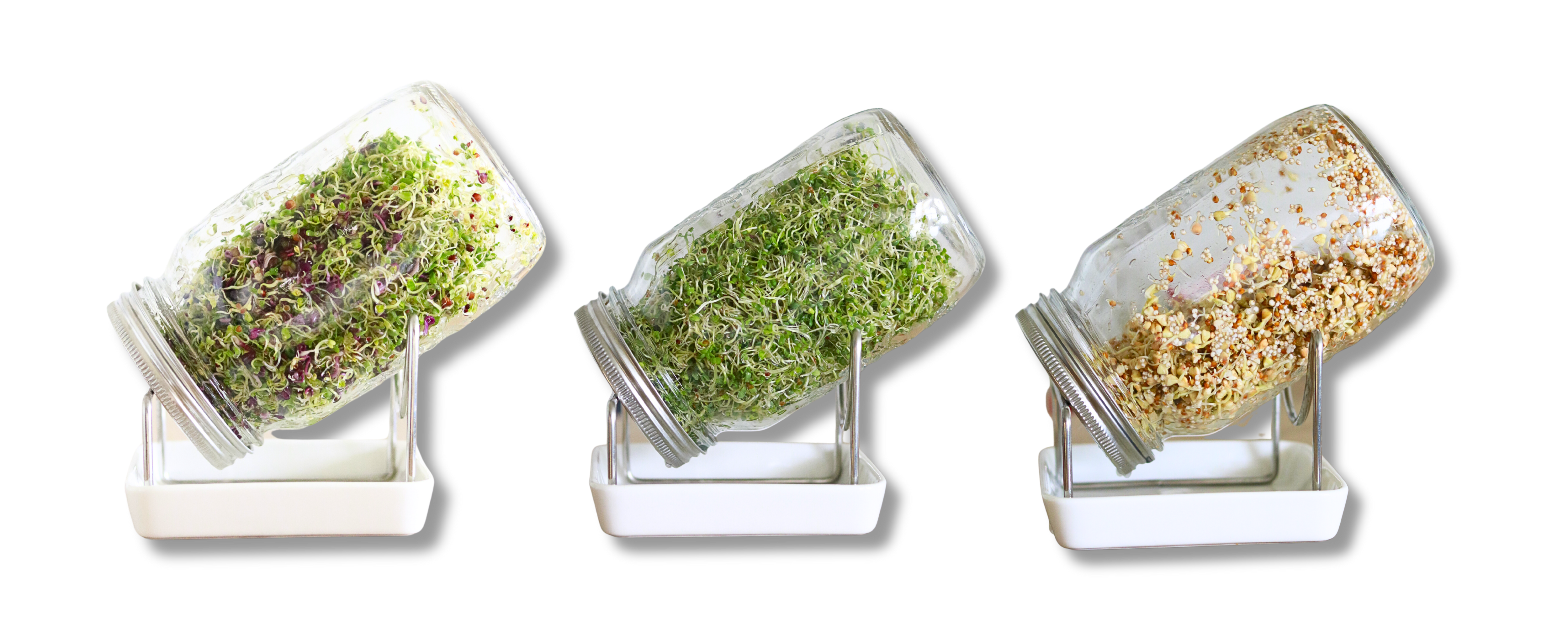
Growing sprouts is surprisingly easy and can even be done in your own kitchen. All you need are sprouting seeds, a sprouting jar, water, and a little patience. Here's a simple guide:
- Preparation: Wash the seeds thoroughly and place them in your sprouting jar.
- Soaking: Soak the seeds for a few hours or overnight to facilitate later germination.
- Rinsing: Rinse the seeds twice a day with clear water and drain the excess water. Be sure to place the jar at an angle so that any remaining water can drain reliably.
- Germination: Within a few days, the seeds will begin to germinate, and you can harvest the fresh sprouts.
The great thing about sprouts is that you can grow them all year round, regardless of the season!
Nutrient-Rich Powerhouses
The impressive nutritional composition of sprouts makes them a valuable addition to your diet. Here's a look at some of the key nutrients that sprouts contain:
- Vitamins and Minerals: Sprouts are rich in vitamins such as A, C, and K. They also contain important minerals such as iron, calcium, and potassium. These nutrients play a crucial role in various bodily functions.
- Antioxidants: Antioxidants are compounds that protect cells from harmful free radicals. Sprouts are an excellent source of antioxidants, which can help slow down cell aging and reduce the risk of diseases.
- Fiber: Fiber in sprouts promotes healthy digestion and can help lower cholesterol levels. They also provide a lasting feeling of fullness.
Health Benefits of Sprouts
The health benefits of sprouts are diverse and impressive. Here are some of the most important:
- The Antioxidant Effect of Sprouts: Sprouts are rich in antioxidants, which help protect cells from damage caused by free radicals. This can help slow down the aging process and reduce the risk of heart disease, cancer, and other chronic diseases.
- Anti-inflammatory Properties: Broccoli sprouts are particularly known for their anti-inflammatory properties. The sulforaphane compound they contain can reduce inflammation in the body, which is important because chronic inflammation is linked to many health problems.
- Immune System Support: The rich source of vitamin C in sprouts can strengthen the immune system and improve the body's defenses against diseases. This is particularly important during the cold winter months.
- Promoting Digestion and Gut Health: The fiber in sprouts promotes healthy digestion and supports gut health. They can prevent constipation and improve nutrient absorption.
Sprout Recipe Ideas and Usage Tips
Sprouts can be used as a healthy ingredient in many recipes. Here are some ideas on how to incorporate sprouts into your meals:
- Sprout Salads: Add sprouts to salads to give them a crunchy texture and a healthy dose of nutrients.
- Sandwich Enhancement: Sprouts are an excellent addition to sandwiches, wraps, and burgers. They add a fresh bite and flavor to these dishes.
- Soups and Stews: Just before serving, you can add sprouts to soups or stews to give them a healthy touch.
- Sprout Omelets: Sprouts add an extra dimension of flavor to omelets and are a great way to elevate your breakfast.
Risks and Precautions
Before you dive into the world of sprouts, there are some important things to consider:
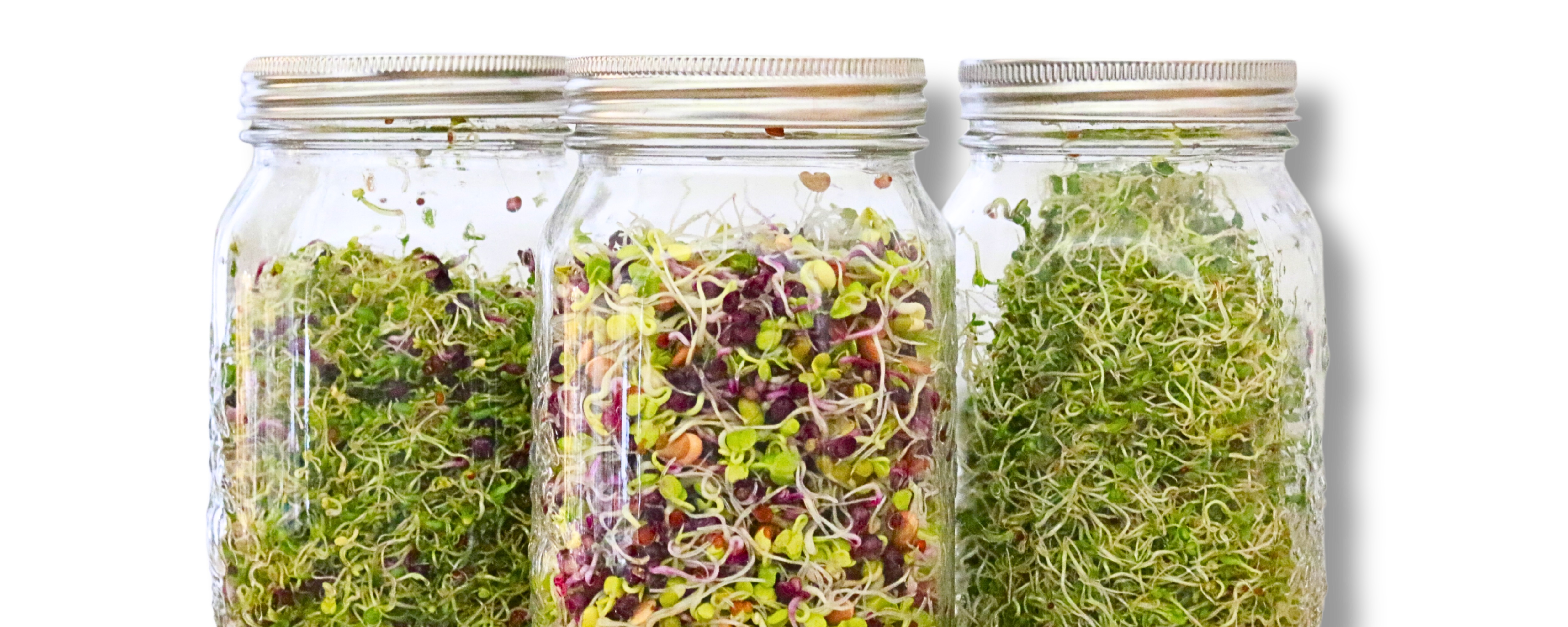
- Hygiene and Safety when Growing Sprouts: Since sprouts germinate in moist conditions, it is important to pay attention to hygiene to minimize the risk of germ contamination. Wash your hands thoroughly before handling sprouts. Keep your sprouting utensils clean and wash them regularly. Use clean water to rinse the sprouts. Watch out for possible mold formation and discard affected sprouts.
- Contraindications and Allergies: While sprouts are a healthy choice for most people, they can cause allergic reactions in some individuals. If you are sensitive to cruciferous vegetables, you may want to avoid broccoli sprouts. Consult a doctor if you are unsure.
- Proper Storage of Sprouts: Sprouts should be stored in the refrigerator after harvesting and consumed within a few days to maintain freshness and flavor.
Conclusion
Sprouts are small nutrient bombs that offer an impressive amount of vitamins and minerals. Their delicious taste and versatility make them easy to incorporate into your daily diet. How healthy sprouts really are is evident in their numerous positive properties.

